Nurse Panic Button and Staff Duress Systems for Hospitals
Give responders the room, not a search area.
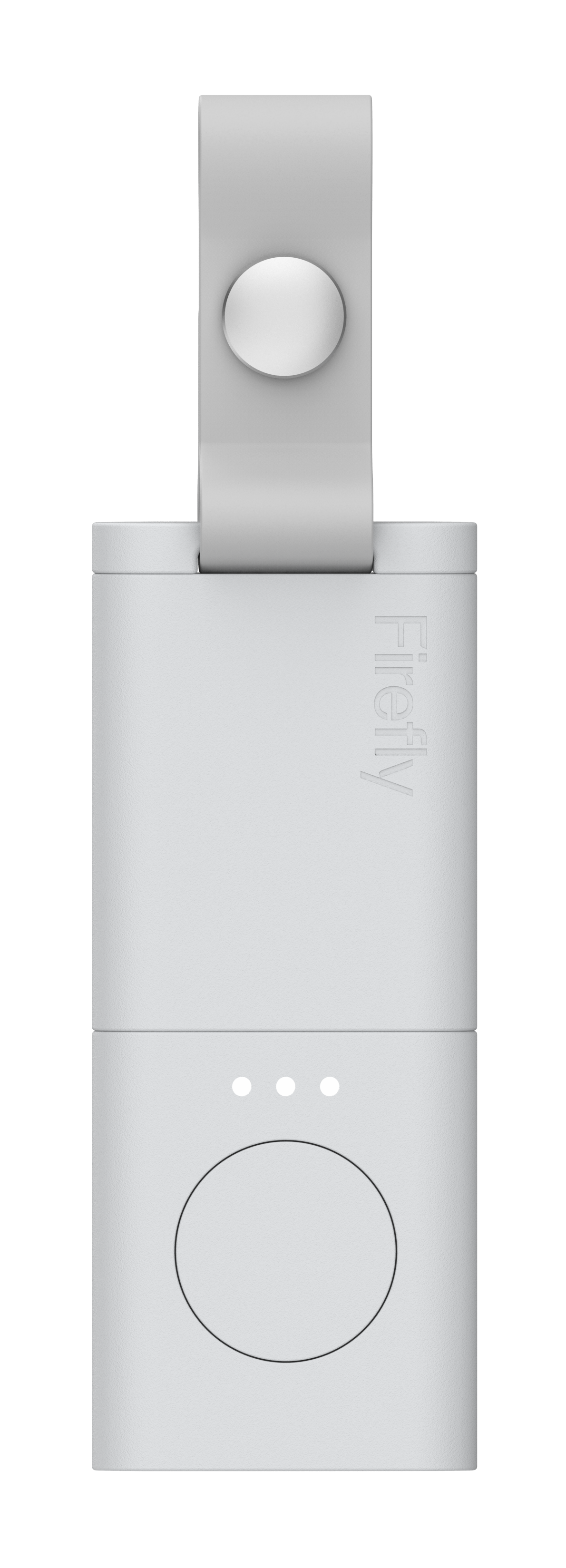
Firefly is a wearable panic button for nurses, emergency department teams, and hospital staff. One silent press tells the right responders who needs help and which room they're in.
Built for staff safety. Patients don't use it, and it isn't a patient-to-nurse call button.
Room 14
ED, Level 1
- Pressed by
- Dana Reyes, RN
- Time
- 2:14 AM
- Workflow running
- ED overnight duress plan
- SecurityAcknowledged
- Charge nurseEn route
- House supervisorNotified
From one press to a reviewed incident.
The alert is not the product. The response is. Here is what happens after a nurse presses.
Press
A nurse presses and holds both sides of the wearable. It stays silent, then a haptic pulse confirms the alert started.
Two-sided press-and-hold helps reduce accidental alerts.
Locate
Mini Beacons in each room place the alert in the exact room. Location is read only at the moment of the press.
No tracking during a normal shift.
Route to the right team
Firefly runs the plan you set for that unit and time of day, so the ED at night can reach different people than a med-surg floor by day.
SMS, Slack, Microsoft Teams, phone call, and Zoom.
Review the incident
Every responder works from one live incident link. Afterward, the record shows who pressed, where, when, and who responded.
An audit-ready record for after-action review.
Where does your hospital team need help?
Choose the environment. Firefly changes the location layer and response workflow without changing the operating platform.
Inside hospital facilities
Configure the alert and response model around departments, shifts, and the people responsible for acting inside each facility.
Plan this coverage- Wearable and fixed buttons
- Site, zone, and device context
- Route by department and incident
- Emergency departments
- Behavioral health
- Inpatient units
- Facilities and security
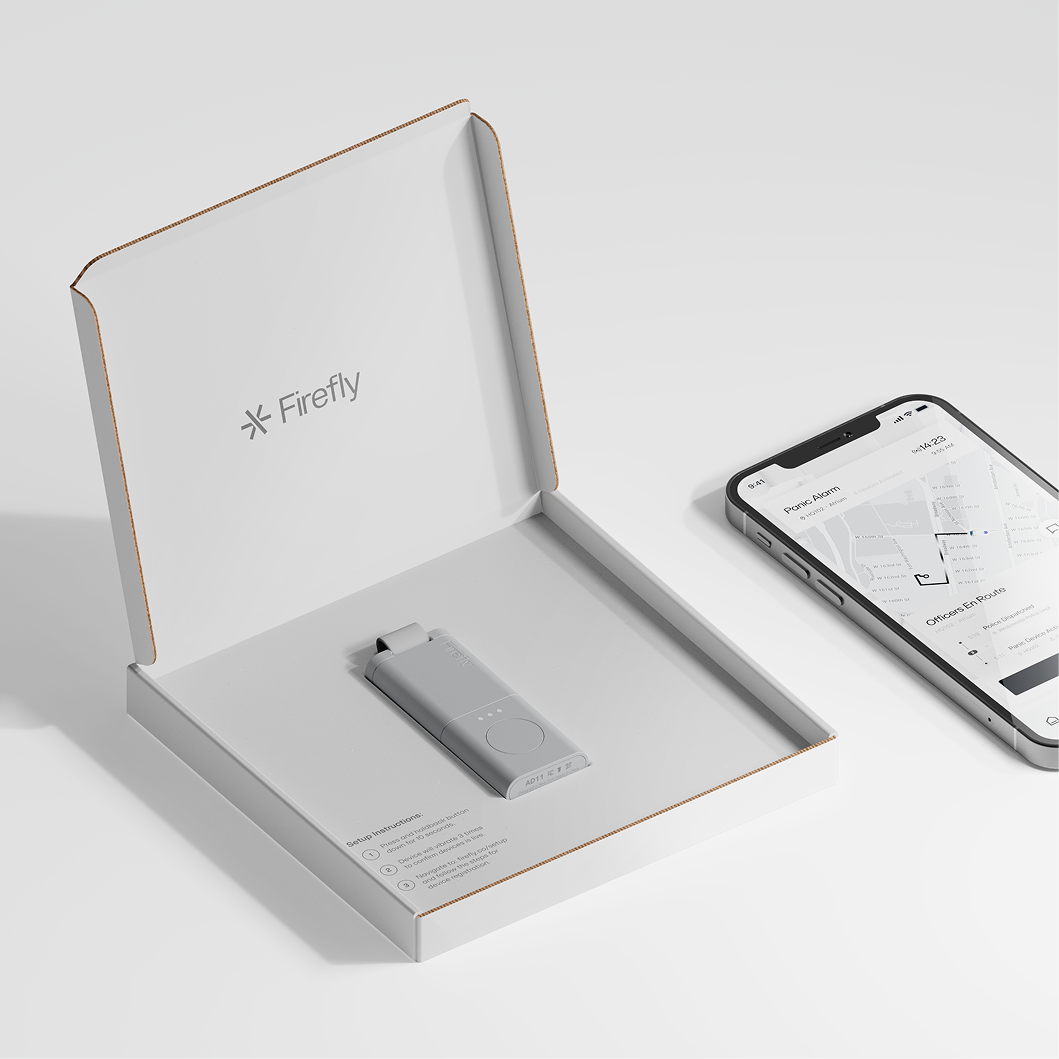
Silent to press. Confirmed by touch.
A deliberate two-sided press-and-hold stays silent. A haptic pulse confirms Firefly received the alert and started the unit's response.
Wear
Scrubs, lanyard, or clip with no charging routine.
Press
Two-sided press-and-hold helps reduce accidental activation.
Feel
Haptic confirmation tells staff the response has started.
Alerts that don't wait on hospital WiFi.
Two layers keep it simple for IT. The staff alert travels on Firefly's mesh. Only the gateway uses a hospital or cellular connection.
Firefly mesh
Wearables and beacons talk over Firefly's own encrypted mesh. Alerts do not depend on hospital WiFi.
Wearable
Sends the press
AI Beacons and Mini Beacons
Form the mesh and anchor the room
Gateway connection
The gateway links the mesh to Firefly. It can connect through PoE, Ethernet, or WiFi, with LTE failover and battery backup.
Gateway
PoE, Ethernet, or WiFi
Firefly
Runs the unit's workflow
Make staff duress part of this year's safety plan.
Healthcare workers face workplace violence at five times the rate of other industries, with clinical staff carrying the highest exposure. Joint Commission standards also require a prevention program, staff training, and an annual worksite analysis.
Review your coverage Source: Joint Commission, Preventing Workplace ViolenceMap the rooms. Pilot a unit. Go live.
Firefly designs the mesh from your floor plans, proves it in one unit, then rolls out unit by unit.
Estimate
Send floor plans. Firefly designs the mesh from your floor plans and wall types, with no initial site work.
Pilot one unit
Start with a small staff group in one unit and controlled test presses only. No live scenarios.
Install
Mount without drilling or cabling. Clinical staff train digitally, safety teams train live, then units go live.
- PoE, WiFi, or Ethernet
- Three-carrier LTE + battery
- Five years
- Ten years
Plan coverage with a Firefly specialist.
Bring your unit list and floor plans if you have them. The conversation covers:
- Which units to cover first, such as the ED, behavioral health, or inpatient floors
- Who responds in each unit and on each shift
- A coverage estimate from your floor plans
- How the gateway connects, so IT knows what to review
- A one-unit pilot with controlled test presses before any wider rollout
Tell us about your hospital.
4 required fields. Phone is optional.